In a recent meeting with a startup founder, the topic of sales came up. This startup was doing well and ready to build a sales team. However, they were about to make a critical error.
“I plan to bring in a real sales rockstar to hit our goals next year,” the founder said confidently to the group.
“I would not do that at this point,” I replied, creating a sea of furrowed brows and frowns.
“Really? Why not?” a skeptical investor asked.
“Without a sales infrastructure they will never be successful,” I responded.
The conventional thinking is that once a startup starts making revenue, the next logical step is to build out a sales team. This often starts with recruiting a “rockstar” salesperson to drive revenue and put the company on the map.
This is not a recipe for success. Without an infrastructure of sales tools, processes, and policies, there is no way to hold this “rockstar” accountable.
Even Rockstars Need Instruments
It amuses me that startups will burn mountains of money hiring a “rockstar” whose only output is bullshit. These “rockstars” got where they are through selling alright – selling their own importance, often from a single success long ago at a company that had a well-oiled sales infrastructure. They trade on this success year after year, convincing founders that they have a huge network they can tap to grow sales. (See my related blog Do Startups Need Rockstars?)
I have seen this show many times, and it always ends the same way. The “rockstar” comes in, talks a big game, burns through a lot of budget, and then skips out when you try to hold them accountable to a goal.
Individual salespeople cannot scale sales on their own. One person may have a great network, but if that network is not aggressively mined for opportunities, what good is it? Mining networks demands more than merely knowing somebody. They demand the discipline and processes to qualify leads, work opportunities, and manage details. Moreover, even if you have leads, how do you hold somebody accountable to a goal, if there are no processes in place to do that?
This is why you need an infrastructure first, before hiring salespeople.
What is a Sales Infrastructure?
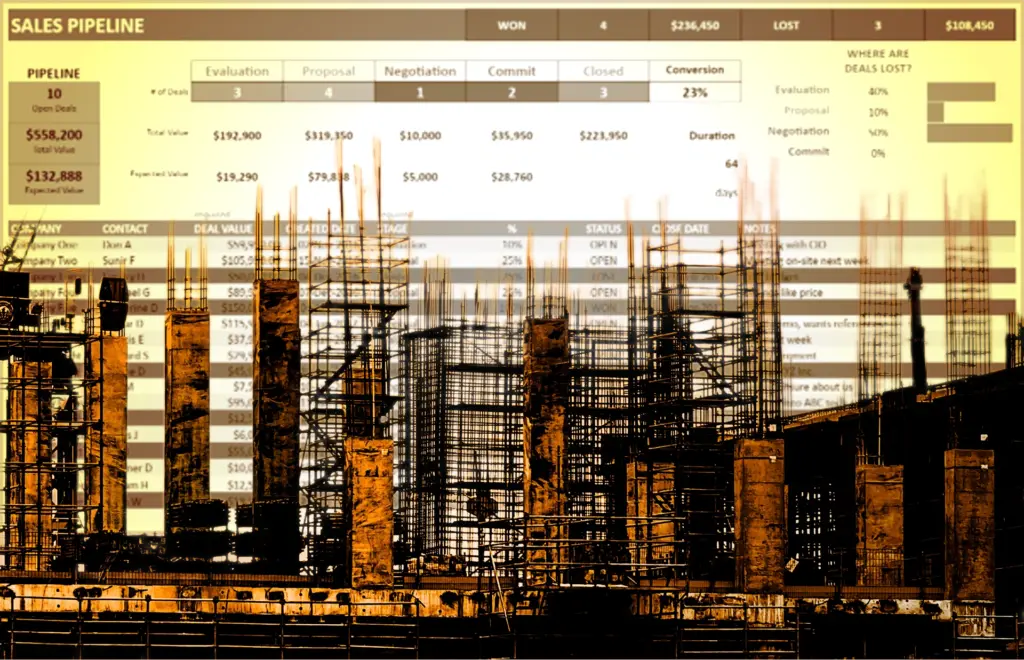
A sales infrastructure is the collection of tools, processes, and practices that defines a sales team.
A typical sales infrastructure consists of the following components:
- Sales Compensation Plan, which includes commission structure, rates, and payment processes
- CRM (such as Salesforce, Hubspot, Zoho, etc.), which includes:
- Marketing automation
- Reporting
- Attainment tracking
- Lead management
- Pipeline management components
- Sales Playbook, which consists of:
- Go-to-Market Messaging
- Battlecards
- Buyer’s Journey
- Buyer’s Personas
- Opportunity Stages
- Qualification Process
- Pipeline Management Practices
- Handoff Process
- Messaging Strategy
- Goals and Metrics
- Attainment tracking
- Finance / Sales collaboration definition
- Content Library (proposals, contracts, marketing materials, etc.)
- Deal Desk (person to review, analyze, and quality check proposals, deals, contracts, etc.)
- Price List, and processes to review, analyze, and update
Yeah, that is a lot of stuff. Detailing each of these is well beyond the scope of this blog. Nevertheless, you need these components to effectively hold salespeople accountable.
Accountability Drives Results
Without established sales processes, goals, and the tools to track results, you cannot effectively hold a salesperson (let alone a team) to any goals or expectations. You might as well not even have them. Sales will be at the whim of the salesperson, who may or may not know what to do.
Moreover, lacking the tools of sales, it is inevitable that your salesperson will get desperate. Desperation is the genesis of all sorts of bad behaviors, like lying to customers, overestimating results, and alienating potential customers.
Now, you may be thinking, “but if revenue goes up, then sales are successful.” Did the sales team make that happen? Without processes and tools to track results, how do you know where that revenue came from? How do you know what messages work, and which ones fail? Rising revenue does not mean sales are functioning properly. If you have an innovative product or are in a hot market, your sales increase could be merely because everybody in the industry is growing (or more colloquially expressed as “rising tide lifts all boats”). Moreover, your increase in revenue may not be sustainable.
Accountability yields results. That result may not be revenue. It may be insight into what sells and what does not, allowing you to pivot your messaging or products. I sold security hardware for years. When I finally sat down and analyzed the data, it was blatantly obvious that selling hardware was a terrible business. None of this is possible without reliable data, which comes from systems that capture, manage, and report on it.
Put the Rockstar on Hold
The first step for any startup looking to establish a sales team is to hire a competent, hands-on sales leader tasked specifically to build the infrastructure first.
The person to do this is a unique breed of salesperson. They enjoy building processes and systems and are seldom the stereotypical salesperson, with a big personality. In my experience, these are nerdy, disciplined people who prioritize process over instinct.
Which means your first big hire for sales in a startup should not be a rockstar. It should be a sales manager with these nerdy qualities. Once the infrastructure is in place, you can hire bigger personalities. However, with the infrastructure you now have a mechanism to hold them accountable.
Furthermore, a sales infrastructure is utterly terrifying to bad salespeople. They will want to dismantle as much of it as possible, because it threatens them. Conversely, competent salespeople adore a robust sales infrastructure, because it clearly establishes expectations, goals, and opportunities.
Conclusion
Scaling a startup is a profoundly difficult job. Before you rush out and hire people, make sure you have the tools and infrastructure to support them. Build out the sales infrastructure first, then bring in salespeople. This puts you on a path to success.
Building a credible sales infrastructure is detailed in my new book, Credibility Selling, coming soon. If you need help building a sales infrastructure, let’s chat. I can help.